

Supplements vs Vitamins is one of the most important but frequently unclear concepts in the field of health and wellness. Although many people use these terms interchangeably, knowing how they differ can have a significant impact on how one approaches nutrition. As we begin to unravel the complex fabric of nutrition, it is critical to examine the subtle distinctions between vitamins and supplements, illuminating their distinct functions in bolstering our health. How do supplements and vitamins differ from each other fundamentally?
Contents
- 1. Difference between supplements vs vitamins
- 2. What are Vitamins?
- 3. What are Supplements?
- 4. Who should avoid using supplements vs vitamins?
- 5. Using supplements vs vitamins safety
- 6. Which vitamins or supplements should not be taken together?
- 7. Are supplements and vitamins the same?
- 8. FAQs difference between supplements vs vitamins
1. Difference between supplements vs vitamins
What’s the difference between vitamins and supplements? Supplements are any product that adds nutritional value to your diet or augments health. Vitamins are a type of supplement. Other types of supplements include probiotics, proteins, amino acids, fatty acids, dietary minerals, and other bodybuilding supplements are examples of supplements.
For most healthy individuals, it is usually possible to get all the necessary vitamins and minerals by following a balanced diet. However, there may be certain conditions, medications, or situations where supplements are necessary to meet your nutritional needs.
It is important to note that dietary supplements are designed to supplement your diet and not to replace any nutrients or other compounds. Even if you are taking supplements, it is still crucial to maintain a varied and balanced diet, if possible.

2. What are Vitamins?
Your body needs vitamins in small amounts to stay healthy. Vitamins support important biological processes, and without this essential nutritional support, we may be more susceptible to certain health issues. When it comes to our nutritional intake, the decision of supplements vs vitamins becomes important because it involves knowing how to best meet our body’s needs for optimal health.
The following are some places where the various vitamin types can be found:
- Vitamin B3: avocados, chicken, beef, fish, and liver.
- Vitamin B5: whole grains and meat.
- Vitamin B6: meat, bananas, and veggies.
- Vitamin B9: sunflower seeds, liver, and leafy vegetables.
- Vitamin B12: seafood, meat, poultry, eggs, and shellfish.
- Vitamin C: Vegetables and citrus fruits.
- Vitamin A: beans, cheese, broccoli, milk, liver, and butter.
- Vitamin B: pork, yeast, and sunflower seeds.
- Vitamin D: sunshine.
- Vitamin E: Avocado, eggs, almonds, and kiwi fruits.
- Vitamin K: Avocado, kiwi fruits, and green leafy vegetables.

3. What are Supplements?
Supplements are pills, liquids, or powders containing vitamins and minerals that people use to supplement their diets. Although they can aid in promoting health, supplements are not meant to be used as cures or preventative measures for any disease. Additionally, taking supplements in place of consuming a diet high in fruits, vegetables, healthy fats, and other foods with significant nutritional value is not a good idea.

4. Who should avoid using supplements vs vitamins?
It is important to note that supplements or vitamins may not be appropriate for everyone, particularly those with specific medical conditions. In addition, some supplements may impair the effectiveness of certain medications. It is always best to consult with your doctor before incorporating any supplements into your diet.
Individuals who should avoid certain types of supplements include:
- Pregnant or breastfeeding women, as some supplements may harm the developing fetus. A daily prenatal vitamin can provide the nutrients needed for pregnancy and nursing.
- People who take heart medications, diuretics, blood thinners, aspirin, immune-suppressing drugs, or steroids. There is always the possibility of negative interactions between supplements and medications, but some drugs can cause especially severe reactions.
- Those preparing for surgery, as certain supplements, may cause bleeding and other complications.
- People who have cancer or are undergoing treatment for it. Some supplements may stimulate cancer cell growth or reduce the efficacy of cancer treatments.
5. Using supplements vs vitamins safety
When it comes to nutrition and vitamins, it is important to understand that while supplements can be helpful, they cannot replace a healthy diet. However, if your diet is not meeting your nutritional needs, you may benefit from taking supplements that contain one or more vitamins and minerals.
If you maintain a nutrition balanced diet that includes whole grains, fruits, and vegetables, you probably don’t need to take a multivitamin. However, if you have a restricted diet, it’s important to speak to your doctor to determine if you need to take any specific vitamins.
It’s worth noting that while six essential nutrients to our health, some can become harmful if taken in high doses. For example, vitamins A, D, E, and K can accumulate in your body and become toxic, so it’s important to avoid taking too much of these vitamins.

6. Which vitamins or supplements should not be taken together?
It’s important to remember that while supplements and vitamins can be beneficial to your health, combining them can sometimes have negative side effects and even cause toxicity. To protect your health, you should understand which substances should not be combined. Here are several examples:
6.1. VItamins
- 1. Vitamin C and B-12
Vitamin C is an important antioxidant for immune system health, while vitamin B-12 helps to maintain the nervous system and form red blood cells. According to studies, taking these two supplements simultaneously may reduce the amount of vitamin B-12 you receive. To avoid this, you should take these supplements at least two hours apart.
- 2. Vitamin A supplement and vitamin A-rich foods
Vitamin A is fat-soluble, so any excess is stored in the body. You don’t need to take vitamin A every day. Too much vitamin A can cause weaker bones and more fractures as you age. It may also be harmful to unborn babies.
If you are pregnant or taking vitamin A supplements, you should avoid eating liver or liver paté. These foods are so high in vitamin A that, even if you don’t take a supplement, you should limit your intake to once a week to avoid overconsumption.
- 3. Folic acid (vitamin B9) and vitamin B12.
While both of these B vitamins are essential, consuming too much folic acid or folate can mask the symptoms of a vitamin B12 shortage. Before adding these supplements to your regimen, consult with your doctor to confirm your vitamin levels.
- 4. Vitamin E and Vitamin K.
It is well-documented that vitamin E supplementation can cause increased bleeding in some people. Some doctors prescribe vitamin K supplements to help with blood clotting. However, taking vitamin E at the same time may counteract the effects of vitamin K.

6.2. Supplements
- 1. Copper and zinc.
Copper and zinc are essential minerals that your body requires. These nutrients can be obtained through a normal diet. Copper is essential for brain development, nervous system health, and the formation of vital tissues in the body. In contrast, zinc is essential for healing.
If you combine copper and zinc supplements, one of them may not be well absorbed by your digestive system. This is because different minerals may compete for absorption. Zinc typically wins in this situation, leaving copper with poor absorption. People who take a lot of zinc supplements may become copper deficient.
- 2. Green tea with iron
Both are excellent supplements that provide numerous benefits. Green tea contains anti-inflammatory compounds that may benefit those suffering from inflammatory bowel disease. Iron is essential for the production of hemoglobin, a protein found in the blood.
When you consume green tea and iron together, the antioxidants in green tea bind to iron, reducing the benefits of green tea.
- 3. Calcium and Other Supplements
Calcium is necessary for bone health. Calcium supplements can affect the absorption of other minerals such as zinc, magnesium, and iron. To ensure maximum mineral absorption, consult your doctor about the best time to take these supplements.

7. Are supplements and vitamins the same?
Supplements and vitamins can be used interchangeably and share certain similarities. For instance, they are both edible and meant to fill in nutritional gaps to enhance or regulate nutritional health. They come in a variety of forms, such as liquids, pills, chewable and dissolveable tablets, and powders. Other similarities can be mentioned:
- Two kinds of nutrients found in food are vitamins vs supplements.
- They are necessary for the body to function.
- They can also stop or cure a few illnesses.
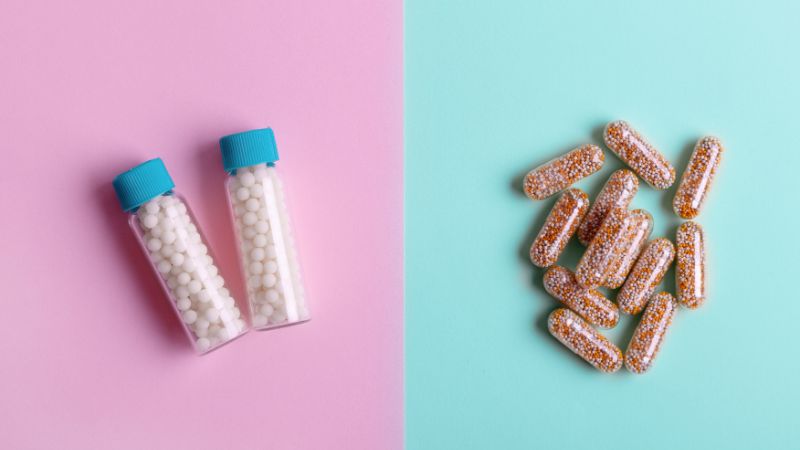
8. FAQs difference between supplements vs vitamins
8.1. How do the difference between supplements and vitamins from each other fundamentally?
While vitamins are specific organic compounds necessary for numerous physiological functions, supplements are a broader category that includes vitamins along with minerals, amino acids, herbs, and other substances. Here, it’s important to understand the differences between vitamins and supplements. Though not all vitamins are supplements, supplements, and vitamins are similar in many ways.
8.2. Can vitamins be obtained from natural sources, or are they exclusively available as supplements?
Vegetables, fruits, whole grains, and other foods are rich sources of organic substances called vitamins. While supplements vs vitamins can provide concentrated forms of these nutrients, a well-balanced diet rich in various nutrients is often the most effective way to obtain mandatory vitamins.
8.3. Does taking too many supplements containing vitamins come with any risks?
Yes, there can be drawbacks to consuming excessive amounts of certain vitamins, particularly when they come in supplement form. It’s critical to adhere to recommended dosages for vitamins because certain vitamins may be harmful at high concentrations. This emphasizes how crucial it is to comprehend the difference between vitamins vs supplements to make wise decisions for our health and well-being.

Finally, after knowing the difference between supplements and vitamins, how to use them, and what to keep in mind when using them, you can give yourself a reasonable healthcare regimen. It is important to remember that supplements vs vitamins cannot replace a healthy diet so you need to have a balanced diet. Healthglowy hopes this knowledge sharing can help you in achieving good health. We have a lot of tips related to health. Follow us now!
>>> Check out other great tips: