

Our bodies need a variety of nutrients to function optimally. According to the World Health Organization (WHO), there are six essential nutrients: Protein, Carbohydrates, Fat, Vitamins, Minerals and Water. Each of these nutrients plays an important and distinct role in maintaining our physical and mental health. Understanding these essential nutrients and their roles is the foundation for making informed dietary choices that promote optimal health.

Contents
1. Classification of Nutrients
1.1 Macronutrients
Macronutrients are powerful nutrients that our bodies need in large quantities for energy, structure, and function. There are three categories:
- Carbohydrates: provides quick energy
- Protein: builds and repairs tissues
- Fat: essential for brain health, hormone regulation, and insulation.
Unlike micronutrients (vitamins and minerals), which are needed in smaller amounts, macronutrients provide the majority of dietary calories and provide energy distributed throughout your body.
1.2 Micronutrients
Micronutrients are nutrients that the body needs in very small amounts but are still necessary for the body’s biological processes. All important minerals and vitamins are micronutrients. They don’t give you energy directly, but they help your body turn food into energy by working with enzymes. Enzymes are proteins that catalyze chemical processes in the body; they participate in many areas of physiological activity, including energy production, nutrient digestion, and macromolecule formation.
2. What are the six essential nutrients?
These six essential nutrients all play an important role in keeping our bodies functioning properly, and our bodies cannot produce them on their own, so we need to get them from our diet. mine. Below HealthGlowy will detail the benefits as well as the foods that contain them.
2.1 Protein
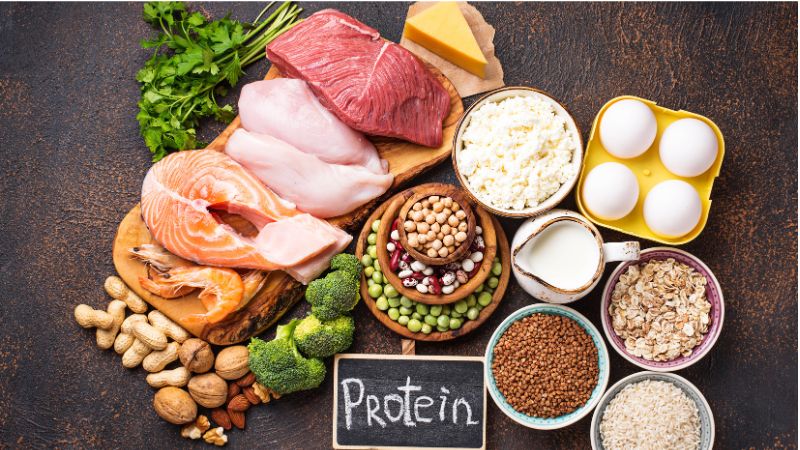
Protein is a vital source of energy for the body and is considered essential. Amino acids combine to form long chains called proteins, which are the main building blocks for tissues like hair, bones, skin, and muscles. Protein is also responsible for supporting several body functions, including the production of antibodies, hormones, and enzymes.
Protein constitutes around 16% of a person’s body weight on average. Although the body can produce certain amino acids, some essential amino acids need to be obtained from the diet. Protein should account for 12-20% of a well-balanced diet, but the optimal amount may vary depending on age and daily activities. Some excellent sources of protein are eggs, fish, and meat, as well as plant-based sources such as almonds, soybeans, and some grains.
2.2 Carbohydrates
Carbohydrates are the body’s main source of energy and the sole source of fuel for the brain and central nervous system. The body converts them into glucose, which cells use for energy. Carbohydrates perform various biological tasks, including storing energy, preserving muscle, and promoting digestive health. Carbohydrates should make up 45-65% of total daily calories. Sources of healthy carbohydrates include whole-grain foods such as cornmeal, brown rice, oats, barley, and bread,…

2.3 Fats
Contrary to popular belief, fats are essential for good health! They provide insulation and padding for our organs, help us absorb certain vitamins, and contribute to hormone production. Choose healthy fats like those found in avocados, fatty fish, nuts, and olive oil.

2.4 Vitamins
The body needs certain micronutrients to stay healthy, prevent disease, and maintain function. Vitamins D, B6, C and A are among the 13 important vitamins needed by the body. Each vitamin has a distinct function in maintaining healthy bones, skin, and vision. Vitamins may help reduce the incidence of prostate and lung cancer. They are also excellent antioxidants. A diet rich in lean meats, vegetables, and fruits will provide the body with all the important vitamins it needs.

2.5 Minerals
Minerals are essential micronutrients that play a vital role in maintaining healthy nails, hair, and skin by regulating water levels in the body. They also contribute to several other crucial biological activities such as metabolism and nerve signaling. Common minerals include zinc, iron, and calcium. Foods that are rich in minerals include nuts, lentils, beans, dark green leafy vegetables, fish, shellfish, mushrooms, whole grains, milk and yogurt, beef, lamb, and tofu.

2.6 Water
Water is one of the six essential nutrients that helps the body function smoothly. Water accounts for 62% of total body weight. Staying hydrated is important because it boosts both brain function and mood. In addition, it also acts as a lubricant and shock absorber in the body. Water helps prevent constipation, hydrates the body, transports important nutrients to cells, and eliminates toxins.
Every day, you should drink 2 liters of water. You can also eat fruits and vegetables with high water content, this helps provide enough water for the body while also adding the necessary vitamins found in vegetables.
3. Takeaway
A varied diet rich in fruits, vegetables, proteins, fats, and whole grains is the best way to get enough of these 6 essential nutrients. In addition, don’t forget to supplement the nutrients found in colorful plants, they are the main factors that help prevent diseases. These micronutrients and macronutrients are essential for the regular function and health of your body. However, the amount of nutrients each needs to absorb depends greatly on lifestyle, weight, height, activity level, etc. So what if you plan to supplement with nutrients? You should consult a nutritionist to have a roadmap to supplement these substances scientifically and healthily. Hopefully, Healthglowy‘s article has provided you with useful information about the nutrients necessary for the body. Please leave a comment so we have more motivation to create better-quality articles.
>> Continue exploring articles about a healthy lifestyle:
- Supplements vs Vitamins: What’s The Real Difference 2023?
- Exploring Foods High in Vitamin E for a Healthier Lifestyle